This is the blog page for the third student group in the Future Communities project. Ellie Stewart and Yuyuan Wei are running this page and have used it to share the development of their project.
” Fashion as Identity, Resistance and Future Vision. “
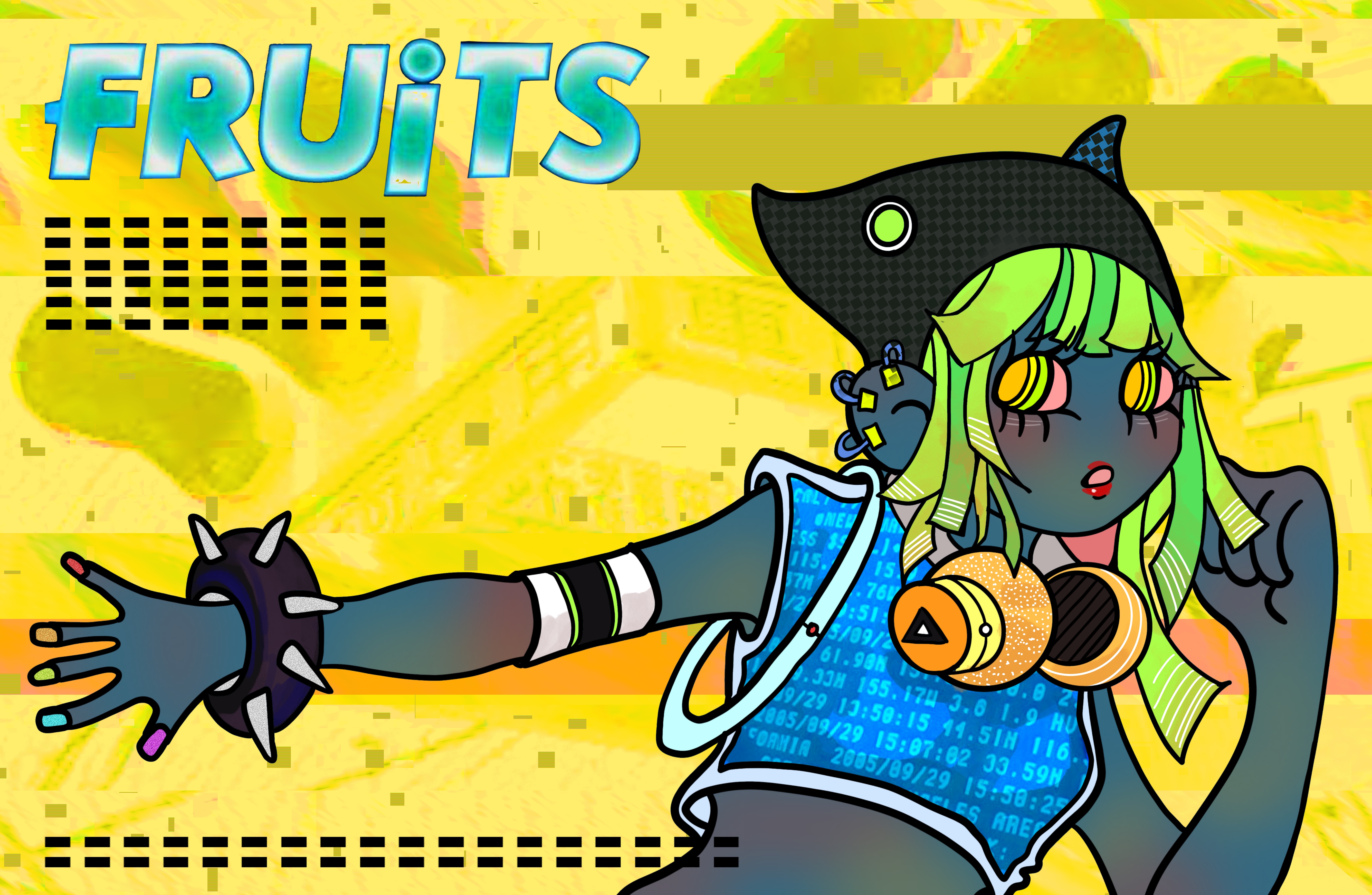
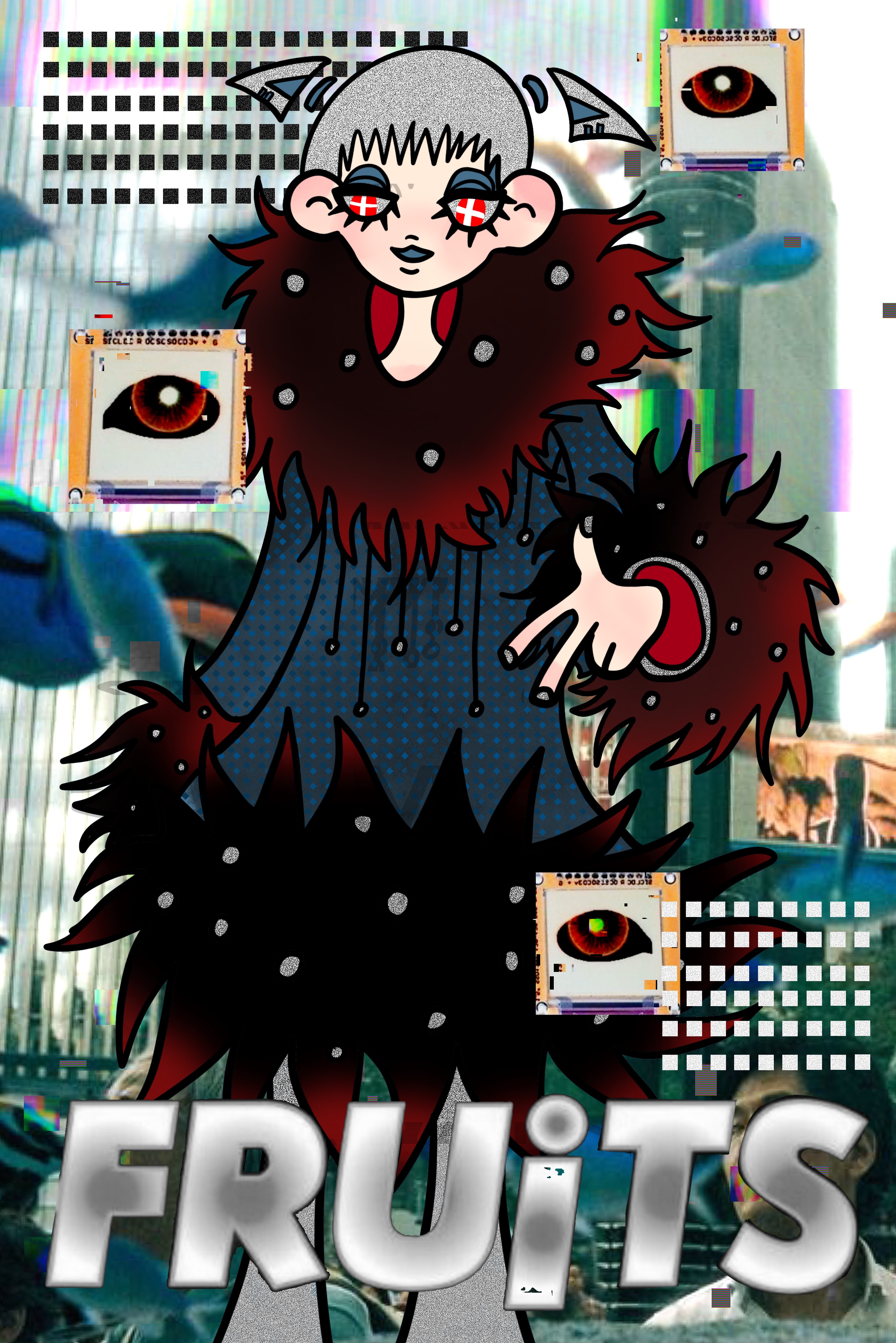
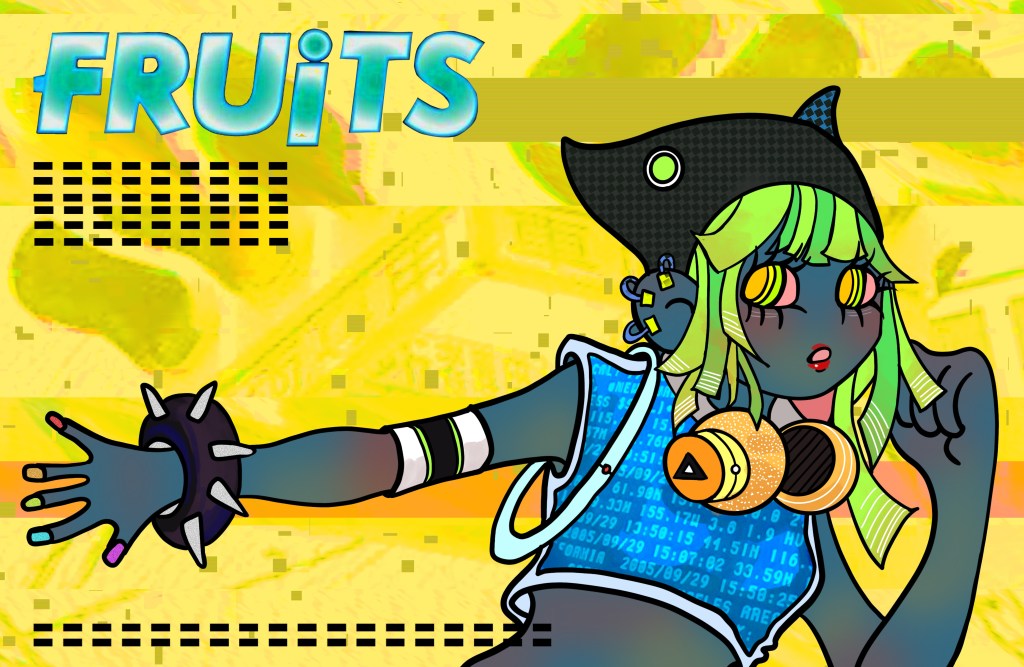
Above: Our digital painting depicts the cover of the future Harajuku magazine “Fruits”
Future Harajuku is a speculative design project developed by us as part of the Future Communities Project at the University of the Arts London. Rooted in personal experience and deep appreciation of subcultures, this project envisions a future where alternative fashion is no longer marginalized, but instead embraced as a vital and celebrated part of community identity.
Harajuku is a district in Tokyo, Japan, globally known for its unique street fashion culture. It became famous in the late 1990s and early 2000s as a hotspot for youth-driven subcultures such as Gyaru, Lolita, Visual Kei, and Decora. Each of these styles challenged mainstream beauty norms and often blurred the boundaries between fashion, identity, and performance.
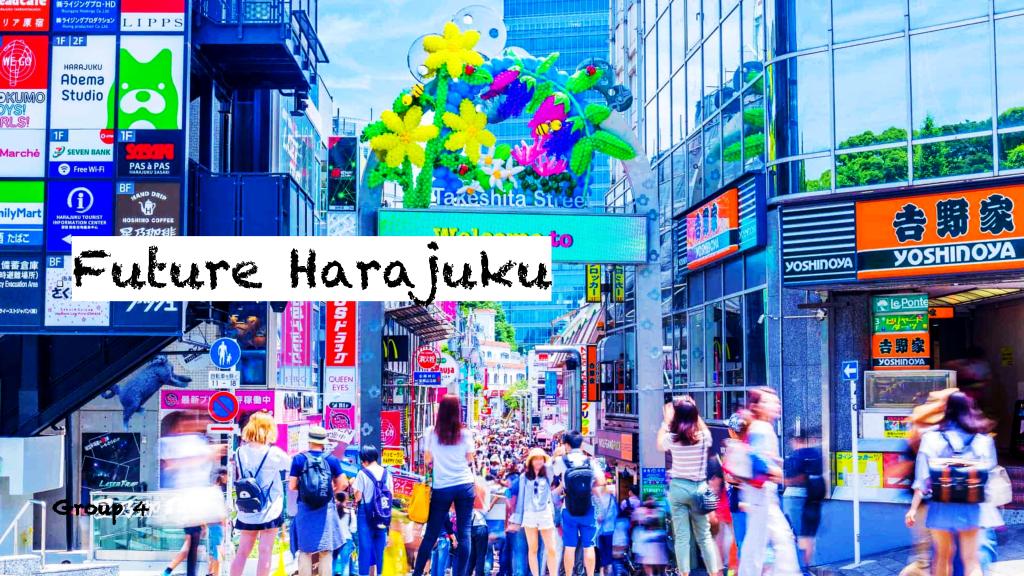
We chose Harajuku because it represents freedom of expression through clothing. Many of us have faced misunderstanding, fetishization, or even harassment for how we dress. This project responds to those experiences and imagines a future where self-expression is amplified rather than erased.
In our vision of the future, Harajuku evolves into a bold, inclusive, and technologically empowered utopia where subcultures are not only accepted—but elevated.
We imagine a world where individuals can use high technology, body modification, and futuristic design to push the boundaries of self-expression even further. In this world, alternative fashion is not marginalized, but becomes the mainstream of innovation—a space where personal identity, creativity, and difference are celebrated as sources of power.
We referred to the fashion magazine “Fruits” which covers Harajuku fashion, and designed the cover of the future magazine.
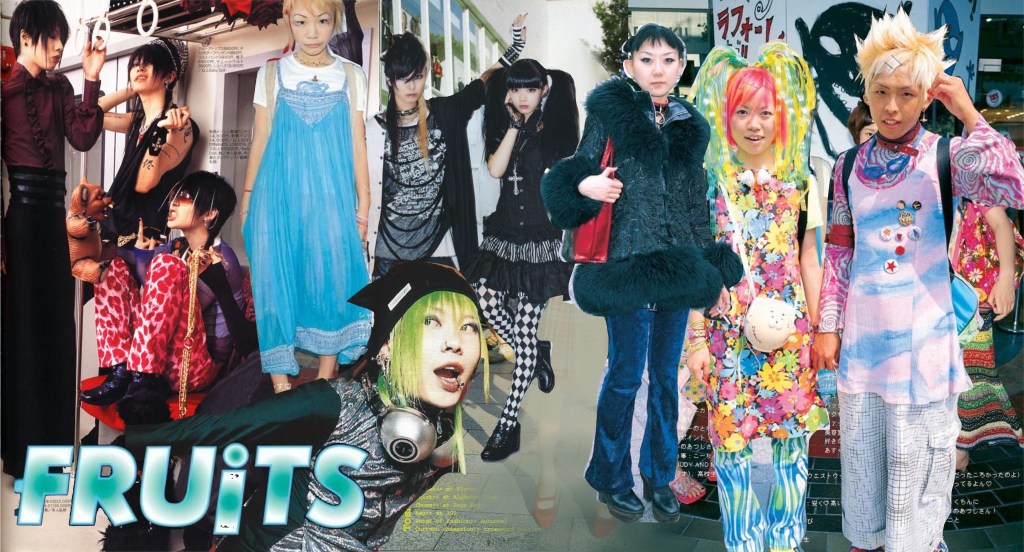
In this imagined future, Fashion becomes more than style—it becomes an enhanced expression of identity, fluidity, and freedom. Technology becomes an ally, allowing wearers to change appearance, amplify aesthetics, or challenge binary thinking. Society shifts from judgment to joy, recognizing diversity as essential to cultural progress.
Through visual storytelling, conceptual fashion, and speculative design, our project imagines a community where Harajuku-style subcultures no longer hide in the corners of society—but lead the way into a freer, fairer, and more fabulous future. We visualized both possibilities to ask: What kind of future do we want to build?



Why Harajuku?
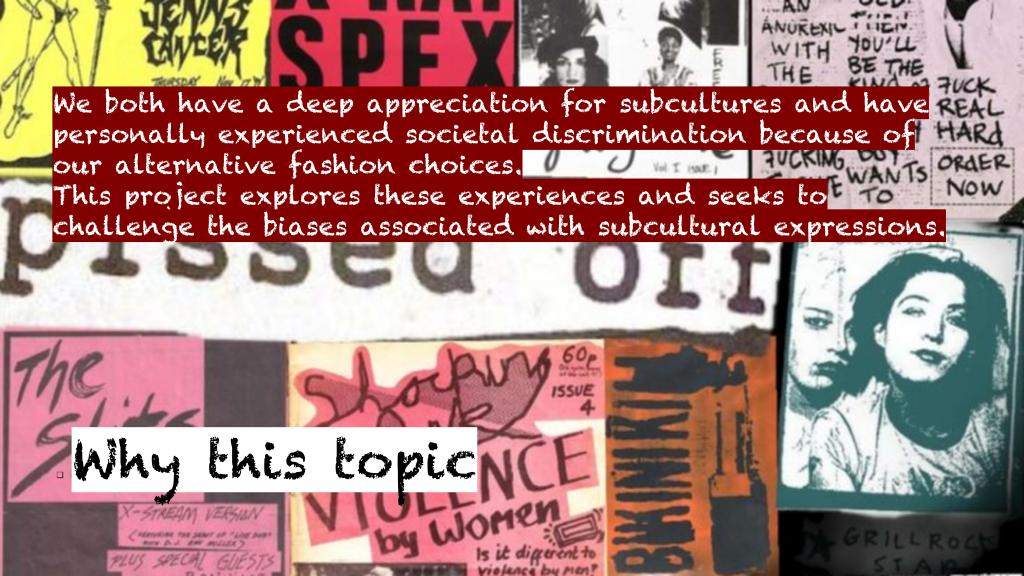
As individuals who wear alternative styles in daily life, we have both experienced discrimination, judgmental stares, unsolicited comments, and invasive assumptions about our character or sexuality based solely on how we dress.
We chose Harajuku—Tokyo’s historical center of youth fashion and subcultural expression—as both a metaphor and a canvas. For us, Harajuku is more than a place. It is a symbol of freedom, rebellion, and identity. Yet even this symbol has struggled under societal pressures and stereotypes.
” I’ve been asked if I’m a dominatrix just because of my outfit. “
” I’ve been called a witch or a vampire in the streets. “
These stories are not uncommon. Our project is a response to these lived realities. It is both personal and political.
The Present: Misunderstood, Misrepresented
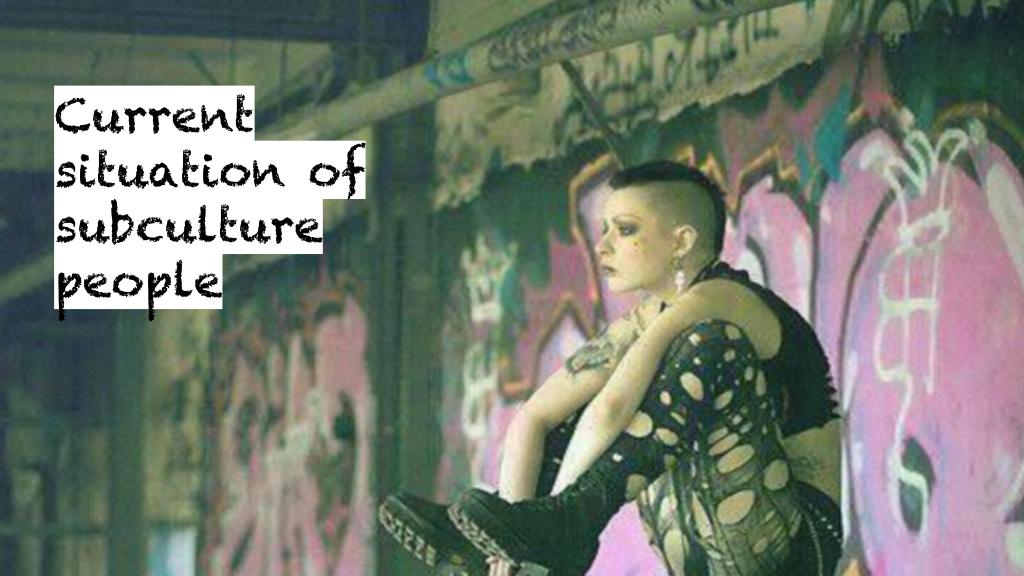

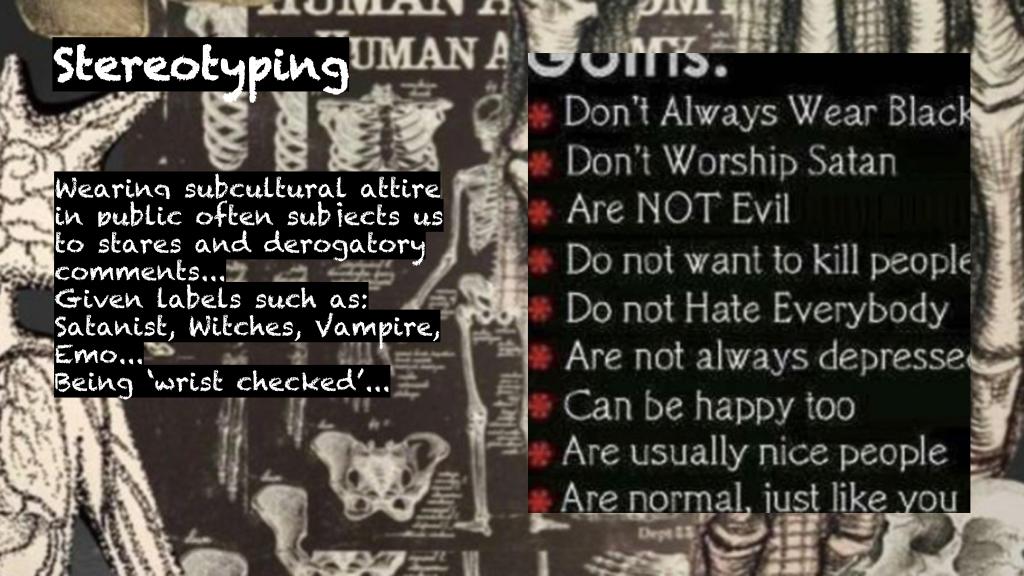
Subcultural communities today still face harmful assumptions. Our research and personal accounts show how alternative fashion often leads to:
- Stereotyping – Being mislabeled as dangerous, oversexualized, or deviant.
- Oversexualisation – Assumptions that self-expression is an invitation to cross boundaries.
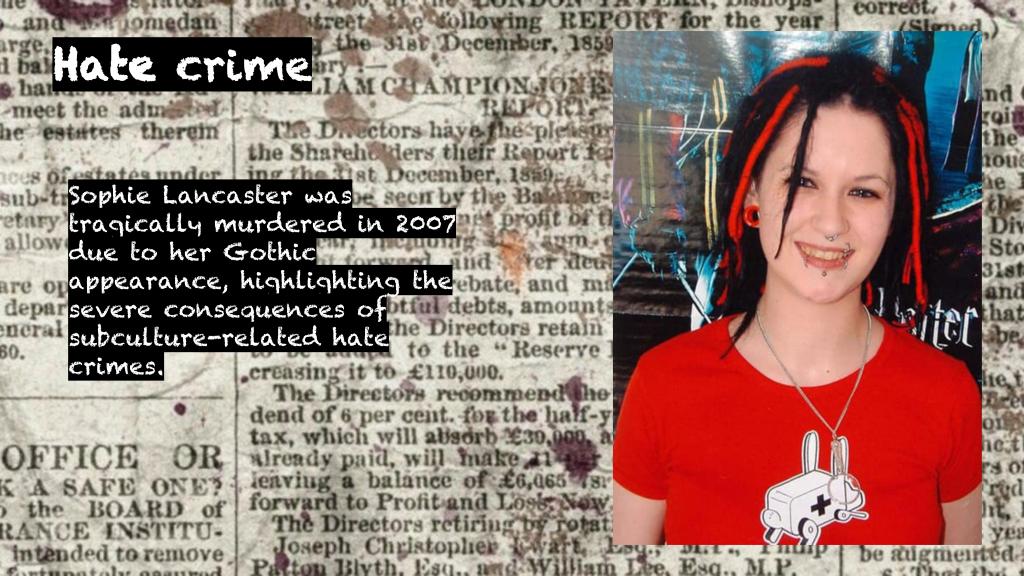
- Hate Crimes – The murder of Sophie Lancaster in 2007, due to her gothic appearance, underscores the very real dangers of being different.
These issues aren’t just aesthetic; they are structural. Fashion becomes a site where identity and social injustice intersect.
The Truth: Subcultures as Cultural Resistance
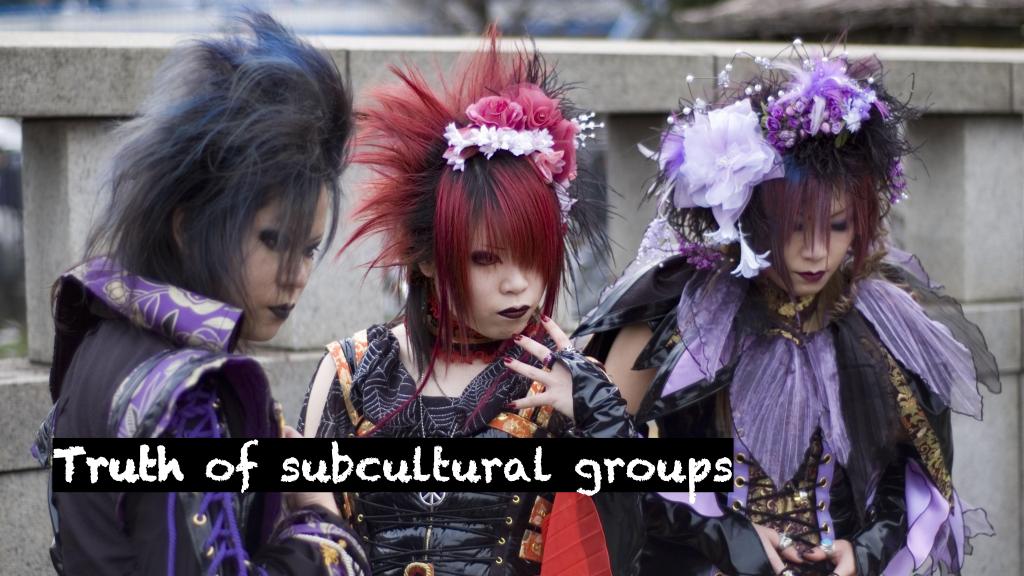
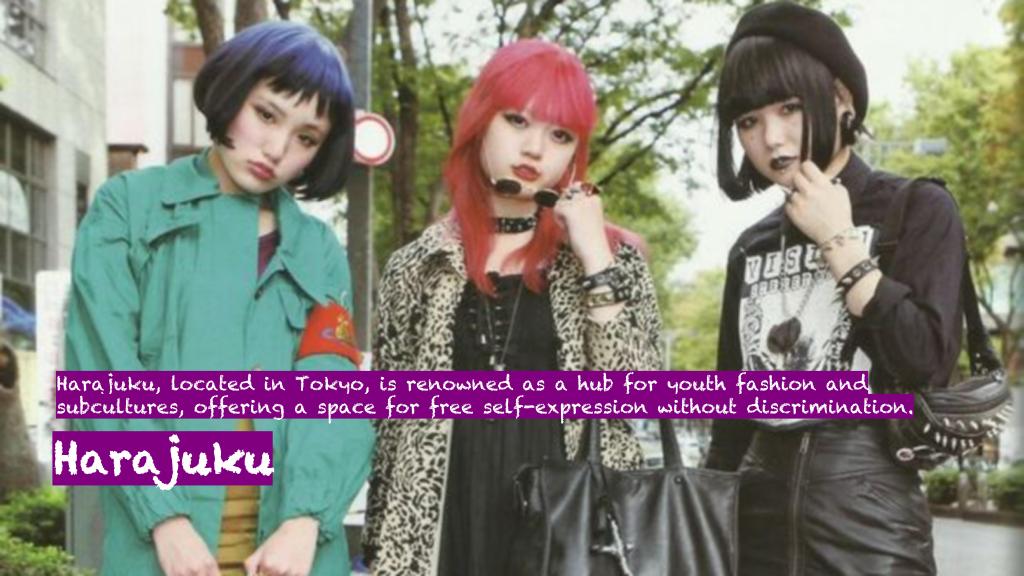
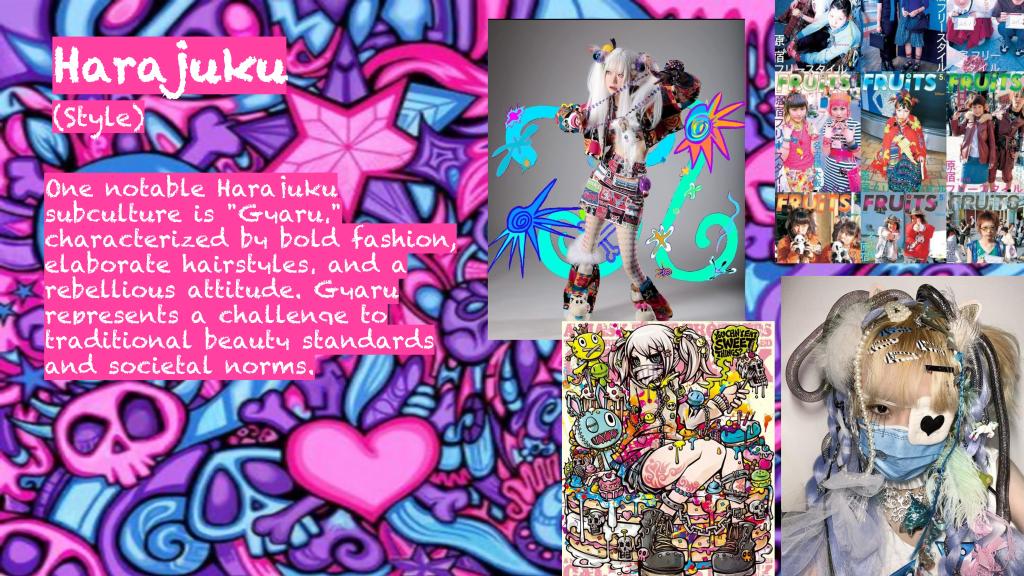
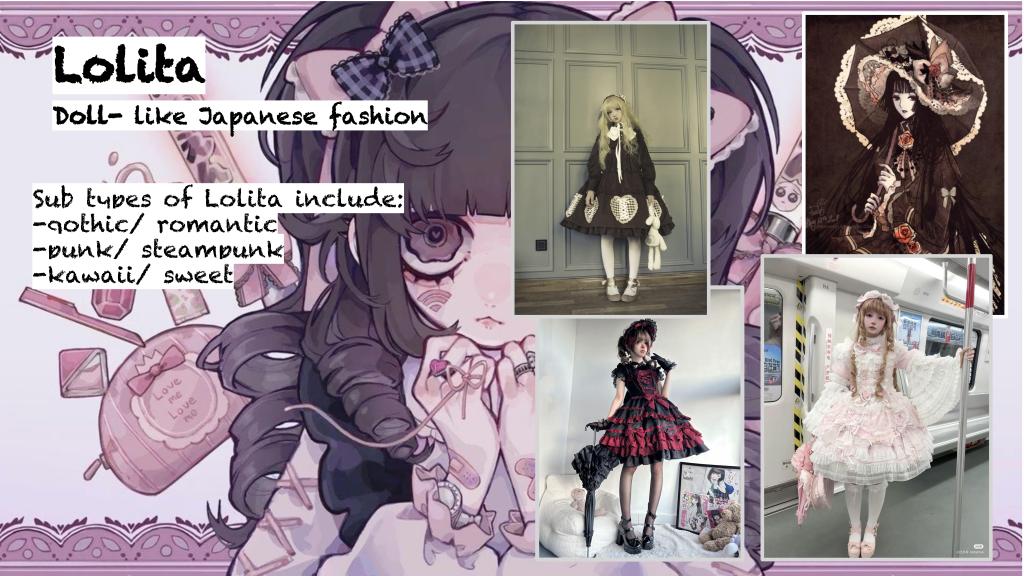

We explore and celebrate several subcultures rooted in Harajuku that embody resistance and freedom:
- Gyaru – With bold makeup, extravagant hair, and tanned skin, Gyaru reject traditional Japanese beauty standards and express radical self-love.
- Lolita – With styles ranging from Gothic and Punk to Sweet and Romantic, Lolita fashion creates a doll-like, hyper-aesthetic world outside patriarchal norms.
- Gothic/Punk – These styles are not just about appearance, but express political and artistic ideologies—literature, music, art, and anti-conformist attitudes.
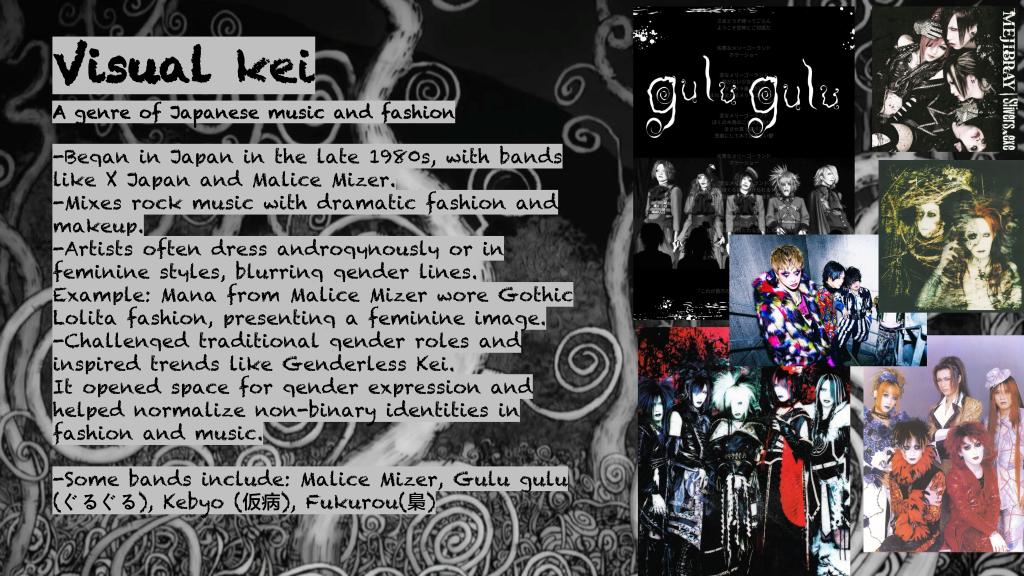
- Visual Kei – Emerging in the 1980s, Visual Kei blends gender expression and theatricality in music and dress. Icons like Mana (Malice Mizer) blurred gender lines and redefined performance and identity.
Conclusion: Fashion as Future Community
Future Harajuku is a vision for a more inclusive society. It invites audiences to consider how fashion can form the basis of community, resistance, and freedom. By bringing subcultural narratives to the forefront, we hope to dismantle bias and build bridges of empathy and understanding.
This is not just about clothes. It’s about people, their right to exist safely and proudly, and the power of imagination to shape more just futures.
Further Reading
Explore the subcultures, social issues, and inspirations behind Future Harajuku. Japanese subcultures, their histories, and the communities that keep them alive today:
- https://tokyofashion.com
Tokyo Fashion – Street photography and articles from Harajuku, documenting real-time subcultural trends and style evolution. - https://japanobjects.com/features/visual-kei
Japan Objects: Visual Kei – A comprehensive guide to Visual Kei, its musical roots, gender expression, and cultural significance. - https://www.lolitafashion.org/
Lolita Fashion Wiki – A detailed resource on Lolita fashion, substyles (e.g., Gothic, Sweet, Punk), and the philosophy behind the aesthetic. - https://egl.livejournal.com/
EGL Community @ LiveJournal – One of the longest-running global communities for Lolita enthusiasts, full of discussions, resources, and outfit posts. - https://ameblo.jp/
Ameblo (Ameba Blog) – A Japanese blogging platform used by Visual Kei musicians, Gyaru models, and subculture influencers to share daily life and style content. - https://curecos.com/
Curecos (formerly Cure) – A major Japanese cosplay and Visual Kei fan platform, previously a hub for subcultural expression and fashion photography. - https://harajuku-pop.com/
Harajuku Pop – A multilingual fashion site promoting kawaii culture, J-fashion, idols, and street style interviews from Tokyo. - https://x.com/gyaru_supporters
@gyaru_supporters on X (formerly Twitter) – A fan-led global account sharing Gyaru history, inspiration, and community events. - https://j-fashionarchive.com/
J-Fashion Archive – A digital archive preserving the history, visuals, and evolution of Japanese fashion subcultures across decades.
Contact us:
yvonnewie642@gmail.com | @yuyuanwee
 future communities